Fly to Skardu if your time is short and you can keep a spare day for a cancelled flight. Drive if you are a family or group with your own car, want certainty about the day you arrive, or are travelling in summer when the Babusar route makes the road more interesting. For most first-timers, the best answer is both: fly in, then drive out.
The flight from Islamabad is roughly an hour in the air when it goes. The road takes a long day or two, typically 18 to 22 hours of driving. Neither is simply better, so here is how the trade-off actually works.
Road or air at a glance
| Flying from Islamabad | Driving | |
|---|---|---|
| Time | About an hour in the air, plus airport time | Typically 18 to 22 hours, split over two days |
| Reliability | Weather dependent, cancellations common | Usually gets through, but landslides can close the road |
| Comfort | Easy, unless you sit in the departure lounge all day | Long, winding and tiring, especially for children |
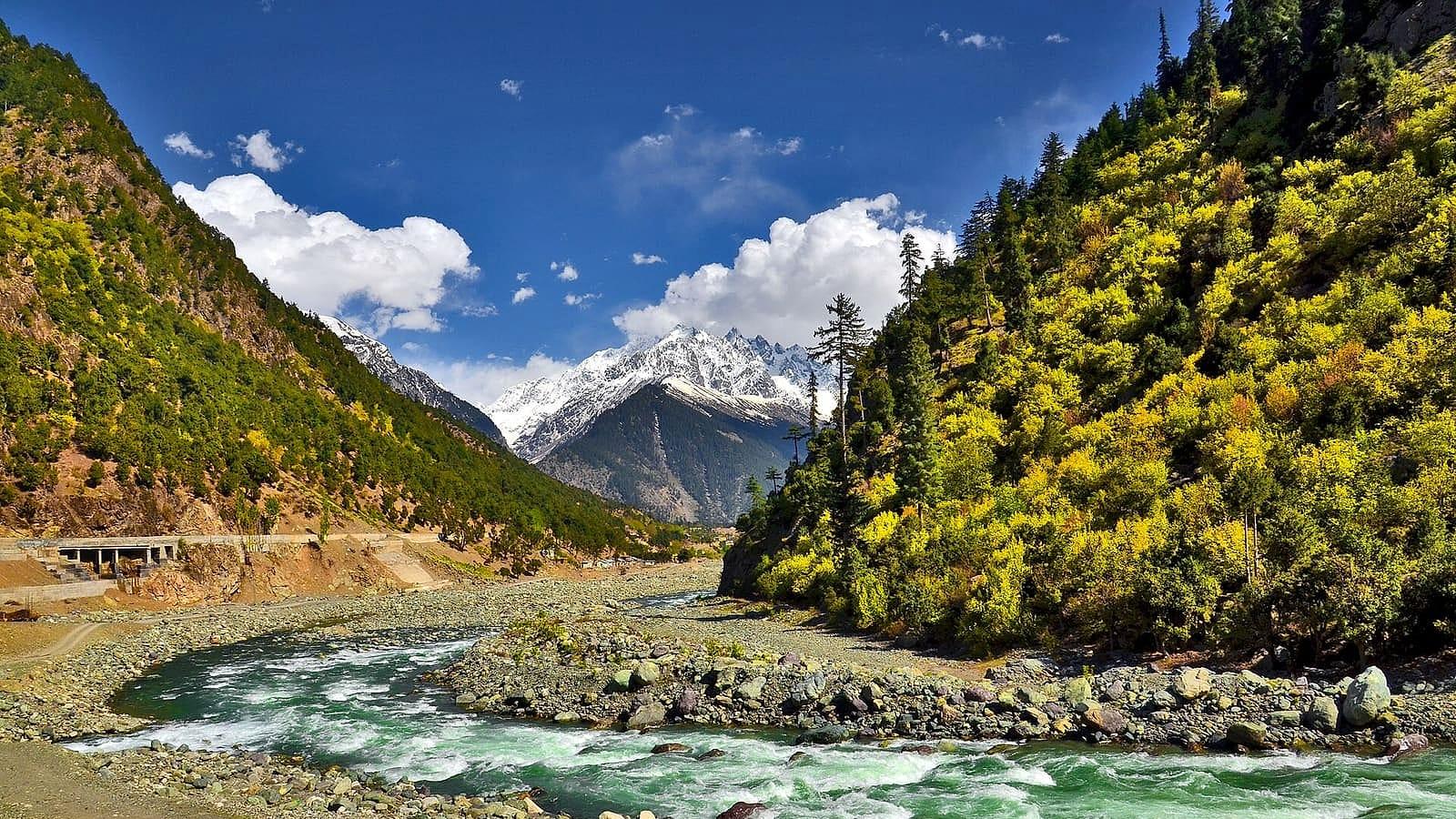
| Scenery | Nanga Parbat and the Karakoram from the window on a clear day | The Indus gorge, Chilas and the mountain junction near Jaglot |
| Flexibility in Skardu | You will need to hire a car or jeep locally | You have your own vehicle for Shigar, Kachura and Khaplu |
| Who it suits | Couples, short trips, older travellers | Families, groups, road-trippers, longer trips |
Flying to Skardu: fast when it works
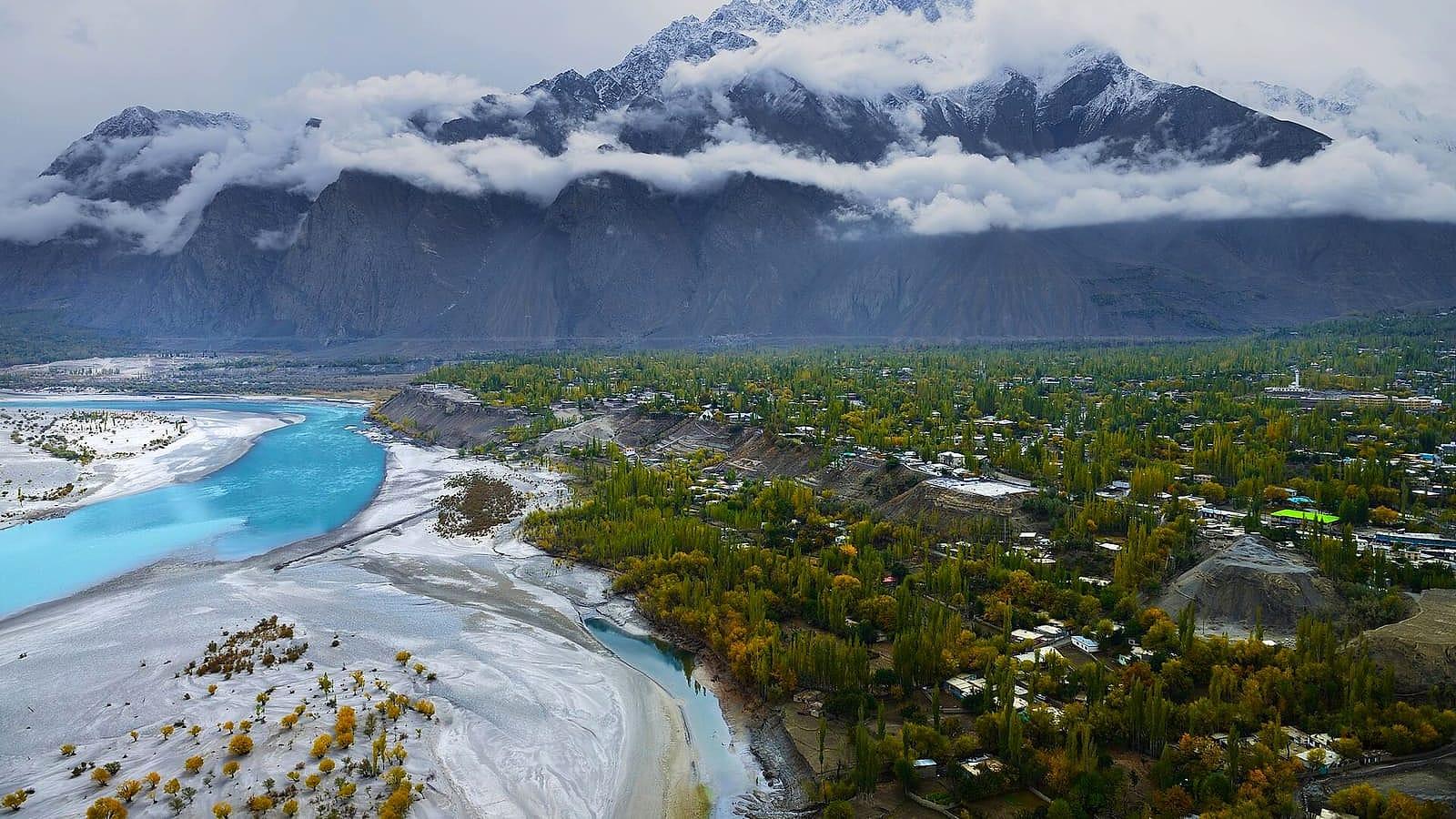
Flights from Islamabad to Skardu cross some of the highest mountains in the world, and on a clear morning the views of Nanga Parbat are unforgettable. Skardu Airport is roughly 20 to 30 minutes from Skardu City, close to the Sarfaranga cold desert, and most hotels will send a car if you share your flight number.
The problem is weather. These flights need clear conditions through the mountains, and they are often delayed or cancelled when cloud sits over the route. Cancellations happen in every season, but they are more frequent in winter, in unsettled spring weather and in cloudy monsoon spells. It is not unusual to go to the airport, wait for hours, and come back to your hotel.
What a cancellation really costs you
When a flight is cancelled, airlines usually move you to the next available flight. In peak season that may not be the next day, because the following flights are already full. Meanwhile you are paying for an extra night in Islamabad, and your first hotel in Skardu may be holding a room you are not using.
That is why we say: never fly to Skardu on the last possible day of your plan. Keep one spare day at the start and one at the end. If you have a hard deadline back home, such as a wedding, an exam or a return international flight, do not rely on the Skardu flight to get you there on time.
Altitude after flying in
Skardu is at roughly 2,200 to 2,500 metres. Flying in takes you from the plains to that height in about an hour, so take the first afternoon easy, drink water and save Kharpocho Fort for day two. Driving up gives your body more time to adjust.
Driving to Skardu via the KKH and Chilas
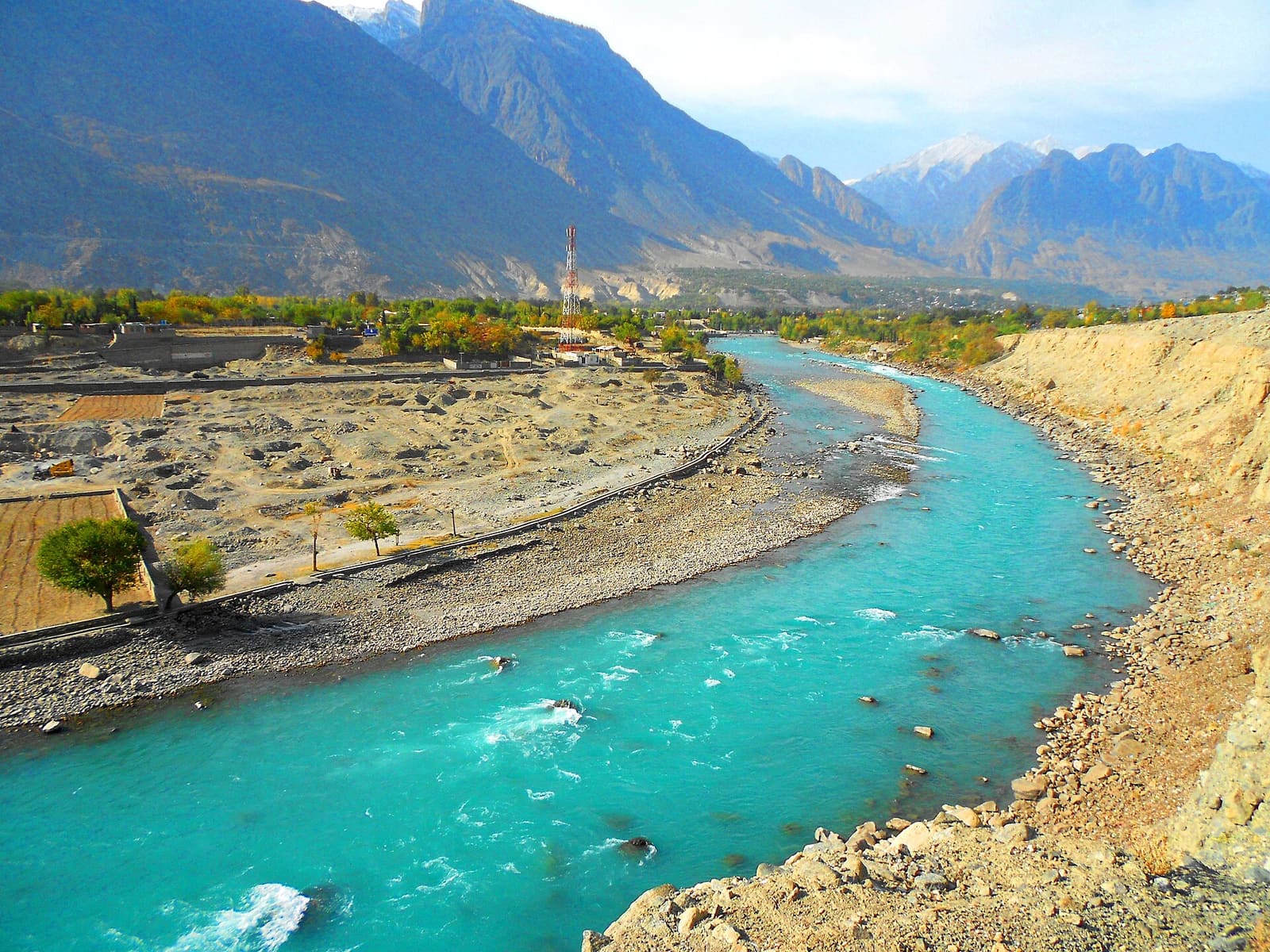
The year-round road route follows the Karakoram Highway north from Islamabad, via the Hazara Motorway to Mansehra and then through Thakot, Besham, Dasu and Chilas. Near Jaglot you leave the highway at the junction for the Skardu road, which runs east along the Indus gorge to Skardu.
The full journey is long, typically 18 to 22 hours, so almost everyone stops overnight. Chilas is the usual halfway point. Some travellers continue to Gilgit for the night instead, then drive to Skardu the next day in roughly 4 to 7 hours, depending on roadworks and landslides.
What the road is like
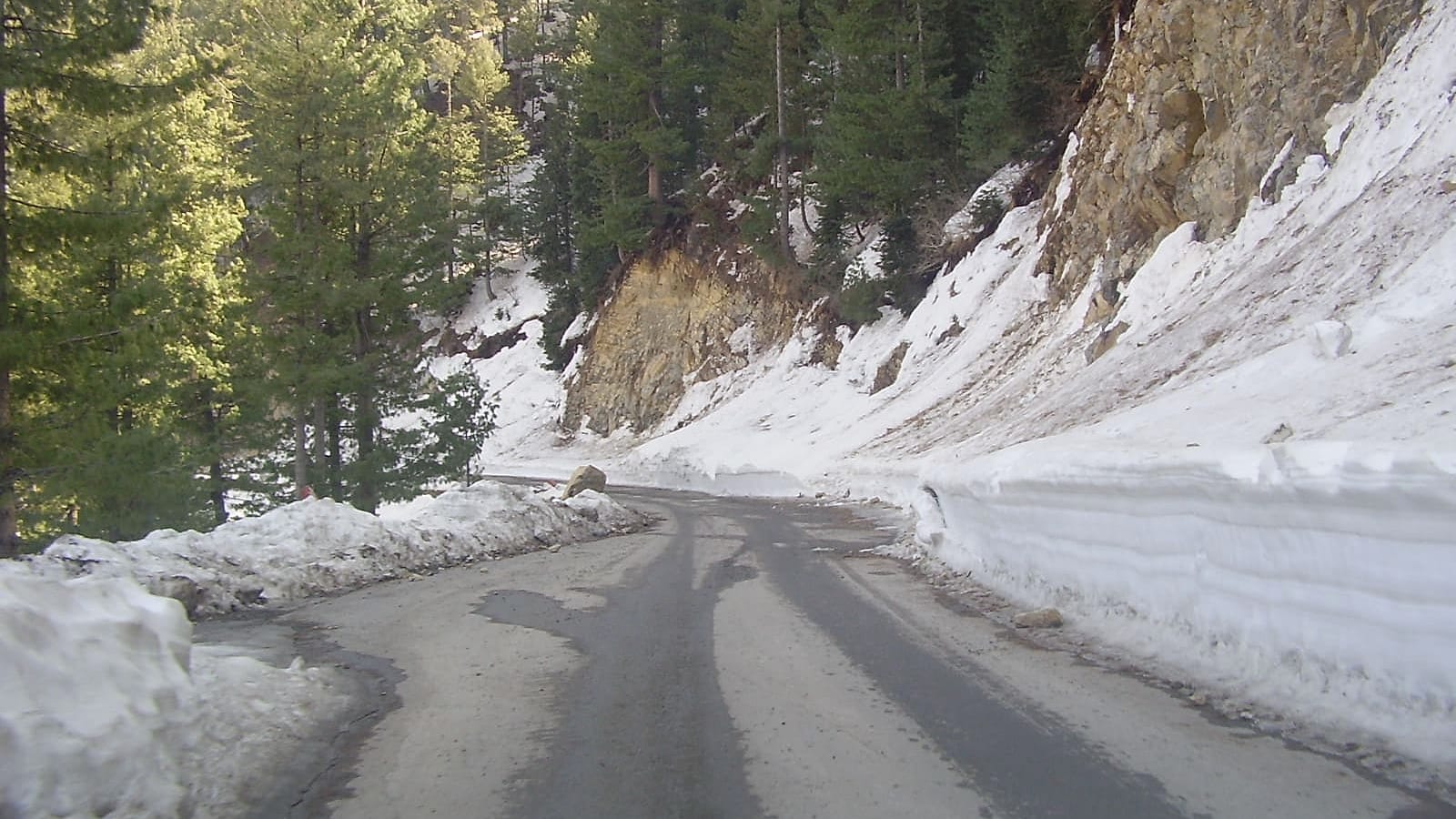
The Kohistan stretch of the KKH between Besham and Chilas is slow, narrow in places and prone to landslides, especially in the July and August monsoon. The Skardu road along the Indus is cut into the side of the gorge, with steep drops, blind bends and occasional rockfall, though the scenery is extraordinary. Just before you turn off, the viewpoint near Jaglot where the Himalaya, Karakoram and Hindu Kush ranges meet is worth a short stop.
Drive only by daylight, use an experienced driver if you are not used to mountain roads, and keep fuel topped up in Chilas or Gilgit. Mobile signal disappears for long stretches, so download offline maps before you leave Islamabad. For a full stage-by-stage plan, see our Karakoram Highway road trip guide.
The Babusar route in summer
From roughly June or July to around October, depending on snow, you can take a different road north. Instead of the KKH through Kohistan, you drive the N-15 through the Kaghan Valley via Naran and over Babusar Pass, then come down to Chilas and continue on the same Skardu road.
This route is often quicker than the Kohistan stretch and far more scenic. It also gives you a natural overnight in Naran, which turns the journey into a holiday of its own, especially for families. Our Naran Kaghan family trip plan covers that part of the road in detail.
The caveats are real. Babusar Top is at about 4,100 metres, cold and windy even in July. Early snow and landslides can close the pass at short notice, and on Eid weekends traffic over the top can jam for hours. Check the evening before that the pass is open, cross in the morning, and have the KKH as your fallback.
Time, comfort and risk compared
Time
On paper, flying wins easily. In practice, the honest comparison is "one hour, or possibly two or three days if cancellations stack up" against "two days, fairly predictably". If you have five days in total, flying is the only way to have meaningful time in Skardu. If you have ten days or more, the road costs you less than it seems.
Comfort
Flying is far easier on young children, elderly parents and anyone who gets carsick. The road is two long days of bends, and the Indus gorge stretch can be stressful for nervous passengers. That said, a good driver, frequent stops and an overnight in Chilas or Naran make it manageable for most families.
Risk
The flight's risk is mostly to your schedule. The road's risks are landslides, rockfall, fatigue and other drivers. Both are manageable with spare days, daylight driving and local advice. Foreign visitors should also check their own government's travel advice for the KKH before planning the road.
The cost logic, without the numbers
We will not quote prices, because they change by season and you will see live rates on the listings. But the logic is simple.
- Flights are priced per person. For a couple, flying is often good value once you count the two days of road you save. For a family of five or six, the total multiplies quickly.
- The road is priced per vehicle. Fuel, a driver and an overnight stop cost roughly the same whether two people travel or seven, so the per-person cost falls as the group grows.
- Cancellations have hidden costs. Extra hotel nights in Islamabad, unused nights in Skardu and missed days are all part of the real price of flying.
- A car in Skardu has value. If you drive up, you already have transport for Shigar, Kachura and Khaplu. If you fly, budget for a local car, plus a jeep for Deosai either way.
In short: the bigger your group, the more the road makes sense. The less time you have, the more the flight does.
The best of both: fly in, drive out
For many travellers the smartest plan combines the two. Fly into Skardu at the start of the trip, when a cancellation only pushes your holiday back a day. Then drive out at the end, when a missed flight would cost you your return to work.
Driving out also opens up the rest of the north. From Skardu you can head to Gilgit and up to Hunza before coming back down the KKH, which is easy to do once you have a vehicle. If Hunza is on your list, our guide to the best time to visit Hunza helps you line up the seasons.
To make it work, you need a vehicle in Skardu for the return. Options include hiring a car and driver locally for the journey down, arranging for your own driver to come up by road and meet you, or taking one of the intercity coaches that run between Skardu and Rawalpindi. Agree the route, overnight stops and who pays for the driver's return before you set off.
The reverse plan, driving in and flying out, works for people with flexible dates. Just keep at least one spare day at the end in case the flight does not go.
Where to stay for each plan
If you fly, Skardu City is the most practical base. It is close to the airport, the bazaar, jeep hire and the roads to Shigar and Satpara, and it keeps you near the airport for the next attempt if your departing flight is cancelled.
If you drive, think about a night at the Kachura lakes. They sit about 30 to 40 minutes from town on the road towards Gilgit, which makes them a peaceful first or last stop on a road trip. Arriving tired after a day in the gorge and waking up beside Upper Kachura is a fine reward.
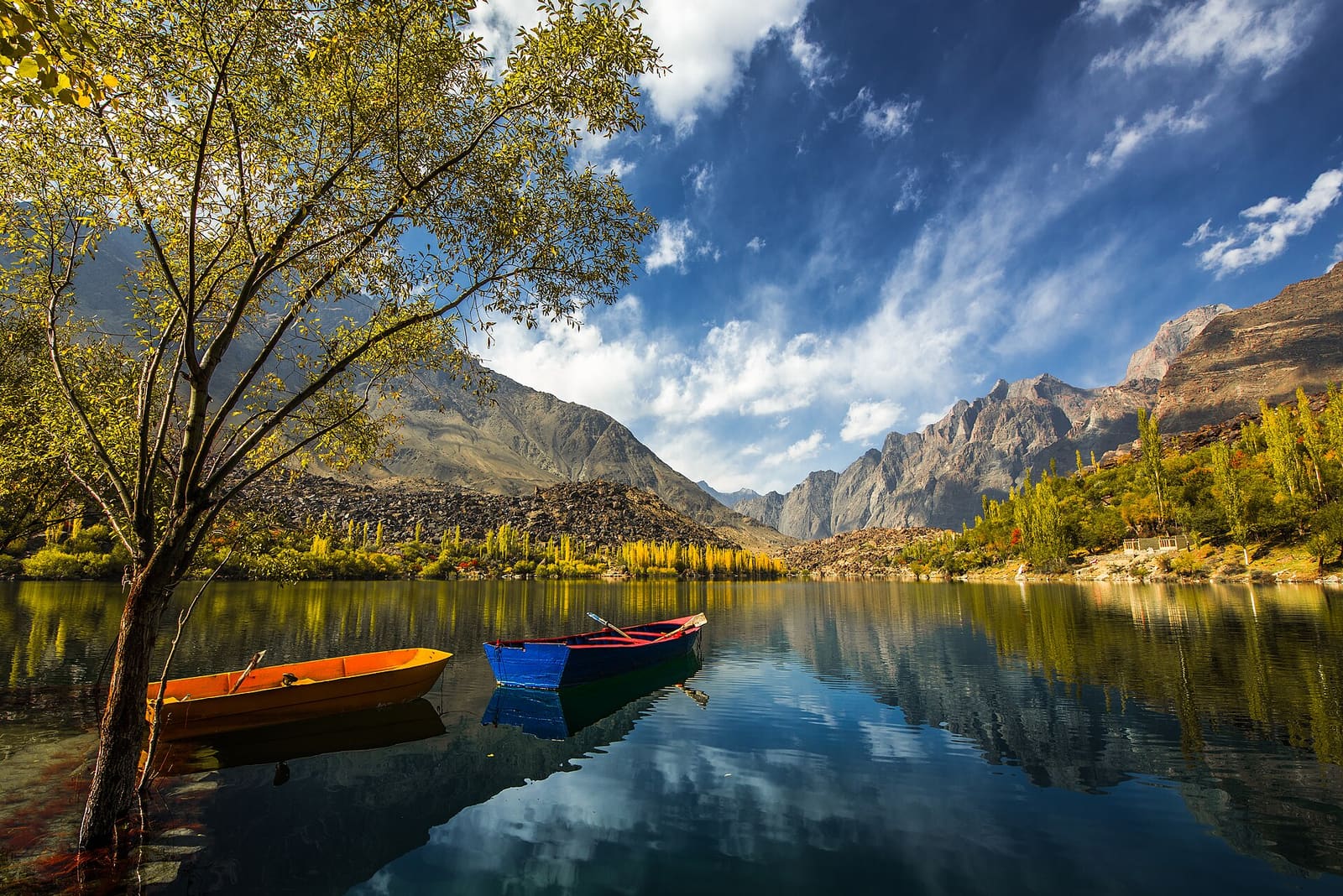
You can compare stays in town, at Kachura and along Satpara Road on RoomLy's Skardu page, then message the property to arrange an airport pickup or check parking.
Frequently asked questions
How often are Skardu flights cancelled?
There is no fixed pattern, but weather cancellations are common in every season, and more frequent in winter, spring and during monsoon cloud. Always keep a spare day either side of a flight and have a road plan as backup.
How long does it take to drive from Islamabad to Skardu?
Typically 18 to 22 hours of driving via the Karakoram Highway and the Skardu road, so most people stop overnight in Chilas or Gilgit. From Gilgit to Skardu, allow roughly 4 to 7 hours: the rebuilt road is faster than it was, but roadworks and landslides can still slow it down.
Is the Skardu road safe for families?
Most Pakistani families who drive to Skardu do so without problems. The main risks are landslides, rockfall and fatigue, so travel only by daylight, use an experienced driver and check road conditions in the monsoon.
Can I drive to Skardu through Naran and Babusar?
Yes, in summer. In most years Babusar Pass is open from June or July to around October, depending on snow. Outside that window, or if the pass is closed, take the KKH via Besham and Chilas.
Should I fly in or fly out of Skardu?
Flying in and driving out is usually safer for your schedule, because a cancelled flight at the start of a trip only delays your holiday, while one at the end can make you miss work or a connecting flight.