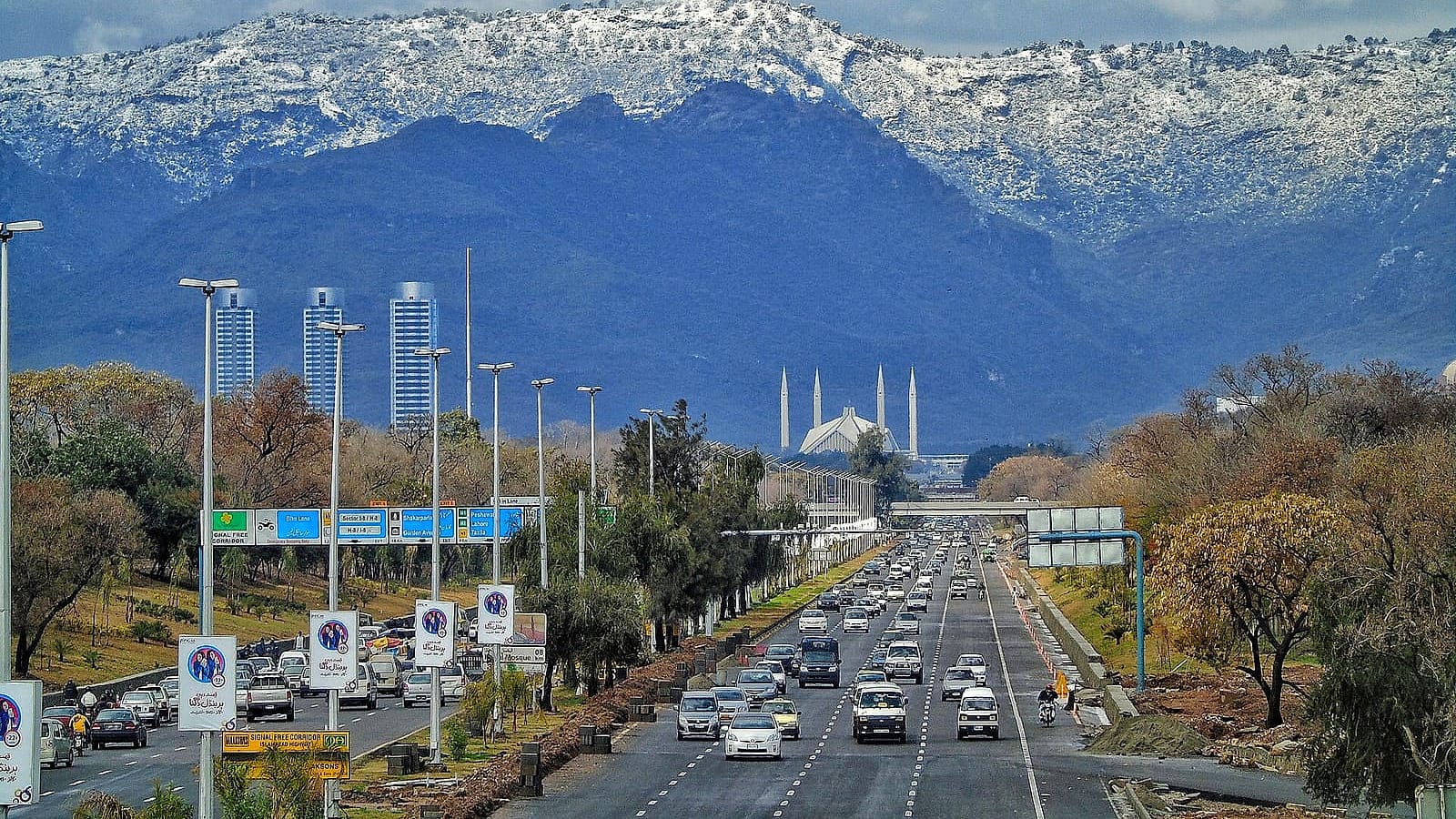
Driving from Islamabad to Hunza on the Karakoram Highway takes two long days at the very least, and three is the pace we would recommend. Gilgit is roughly 14 to 18 hours of driving from Islamabad, and central Hunza is another 2 to 3 hours beyond that. The usual plan is a first night in Besham or Chilas, a second in Gilgit, and Karimabad by lunchtime on day three.
The KKH, as everyone calls it, is one of the great mountain roads of the world, and also a working highway full of trucks, construction and the occasional landslide. Treat it as part of the holiday rather than an obstacle between you and Hunza, drive it by daylight, and it is one of the best road trips in the country.
The route at a glance
From Islamabad, the Hazara Motorway runs north past Abbottabad and Mansehra to near Thakot, where you cross the Indus and join the old Karakoram Highway. From there, the road follows the Indus gorge through Besham, Dasu and Chilas, then swings past Raikot Bridge and Jaglot to Gilgit. Beyond Gilgit, it follows the Hunza River north through Nagar to Aliabad and Karimabad.
| Leg | Approximate driving time | What to expect |
|---|---|---|
| Islamabad to Thakot | 3 to 4 hours | Motorway most of the way, fast and easy |
| Thakot to Besham | About 1 hour | Back on the old KKH, slower from here |
| Besham to Chilas | 7 to 9 hours | Indus gorge through Kohistan, the toughest leg |
| Chilas to Gilgit | 3.5 to 5 hours | Raikot Bridge, Nanga Parbat views, Jaglot |
| Gilgit to Karimabad | 2 to 3 hours | Rakaposhi viewpoint, then into Hunza |
Times are for a private car in good conditions with short breaks. Coaches, heavy traffic, construction holds and landslides can add hours, so read every figure as a minimum.
Realistic driving days
The two-day push
Day one: Islamabad to Chilas, leaving by 5 or 6 in the morning. Day two: Chilas to Karimabad. It works, but day one is 11 to 14 hours on the road and you will arrive in Chilas tired, possibly in the dark. We only suggest it for experienced mountain drivers with a second driver in the car.
The three-day plan
Day one: Islamabad to Besham, an easy 4 to 5 hours that lets you leave after breakfast. Day two: Besham to Gilgit, a long day of 11 to 14 hours, so start early. Day three: Gilgit to Karimabad by late morning, with time for the Rakaposhi viewpoint on the way.
A variation is to push on to Chilas on day one and then take an easy day two to Gilgit, with time to stop at the viewpoints. Both versions work. Choose by where you would rather have your long day.
Build in a spare day
Whichever plan you pick, keep at least one free day somewhere in the trip. Landslides, construction closures and weather all happen on the KKH, and a spare day stops one closure from wrecking your bookings in Hunza.
Where to stop overnight
Besham
Besham is a river town on the Indus, the last fairly large stop before the Kohistan gorge. Hotels line the highway, and it has fuel, ATMs and plenty of roadside food. It is a calm, practical first night and puts the hardest driving at the start of day two, when you are fresh.
Chilas
Chilas sits in a hot, dry stretch of the Indus valley below Nanga Parbat. In summer it can be very hot, so make sure your room has working air conditioning and backup power. It is a conservative town; dress modestly and keep the evening simple. Hotels are mostly along the KKH, which makes it easy to get going early the next morning.
Gilgit
Gilgit is the real halfway house: banks, hospitals, markets, fuel and the widest choice of rooms on the route. The centre around the bazaar is convenient but noisy. Guesthouses in Jutial, higher up on the eastern side of town, are quieter and greener and better for a family after a long drive. You can see everything available along the route on the Gilgit hotels page on RoomLy, and a quick WhatsApp message will confirm parking and late check-in.
Viewpoints worth stopping for
Nanga Parbat from the Raikot area
Between Chilas and Raikot Bridge, the road opens up to views of Nanga Parbat, the ninth-highest mountain in the world, rising above the Indus. There are several pull-offs along this stretch, and on a clear morning the mountain fills the windscreen. Raikot Bridge itself is where jeeps leave for Fairy Meadows if you are adding that trip.
Junction of three mountain ranges, near Jaglot
A short way past Jaglot, a roadside viewpoint marks the point where the Himalaya, Karakoram and Hindu Kush meet, near the confluence of the Gilgit and Indus rivers. It is a quick stop, and the signboard and the rivers below make it easy to spot. Stretch your legs, take the photo and keep moving.
Rakaposhi viewpoint
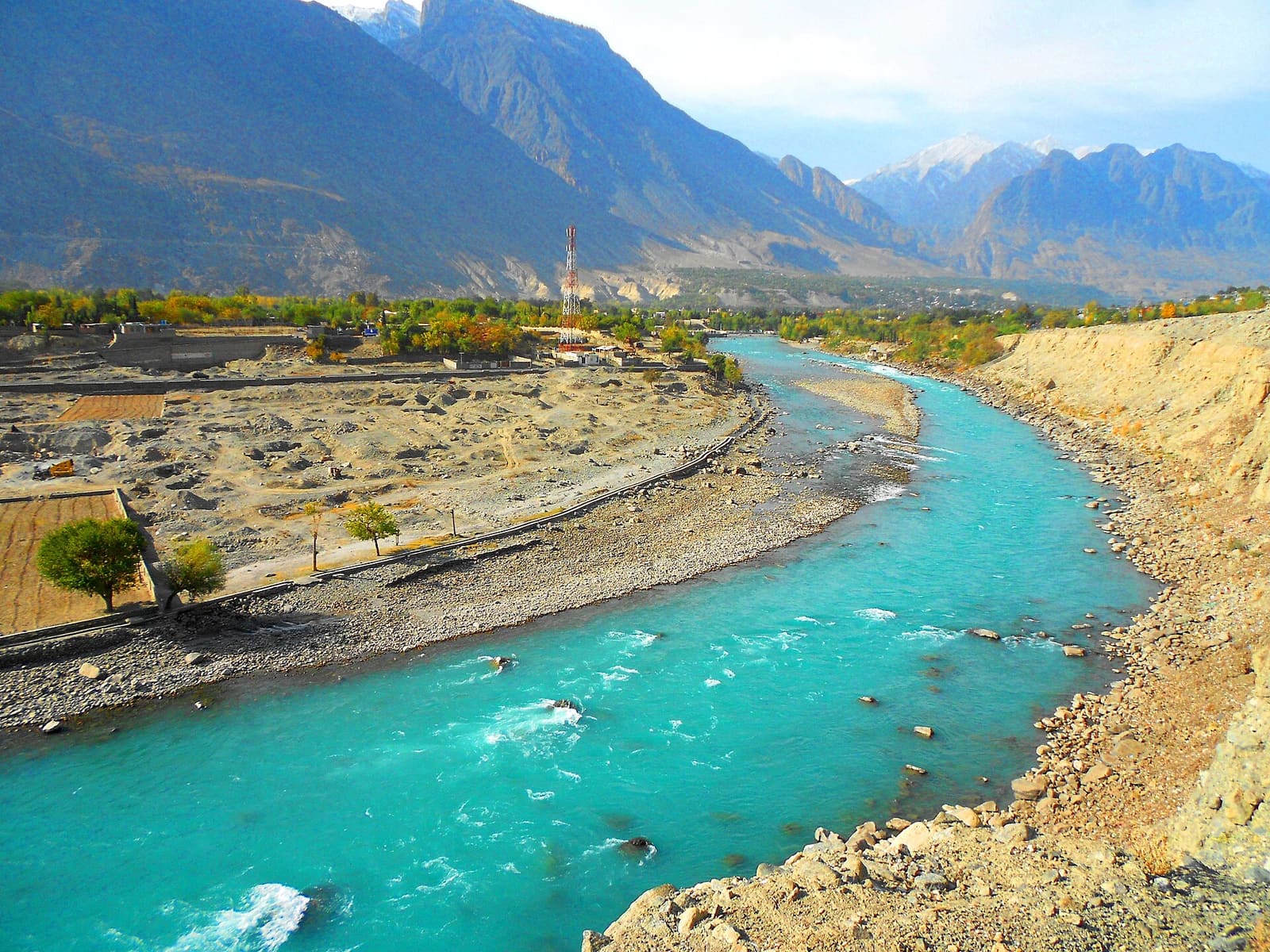
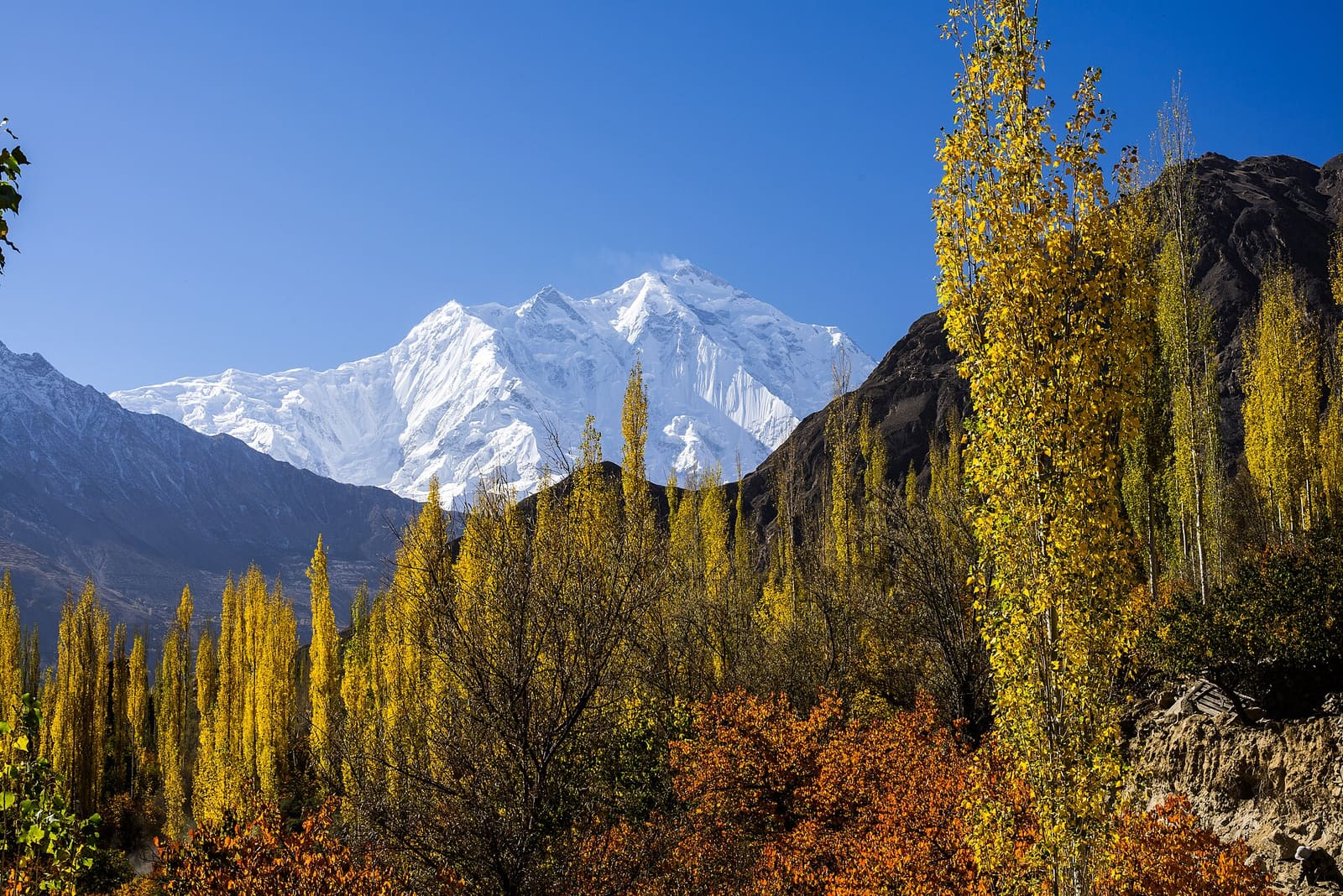
On the road between Gilgit and Aliabad, in Nagar, the Rakaposhi viewpoint near Ghulmet gives you a close view of the mountain's face and a glacier stream running down towards the road. There are tea stalls and somewhere to sit. It is the moment most people feel they have properly arrived in the north.
The summer alternative: Naran and Babusar Pass
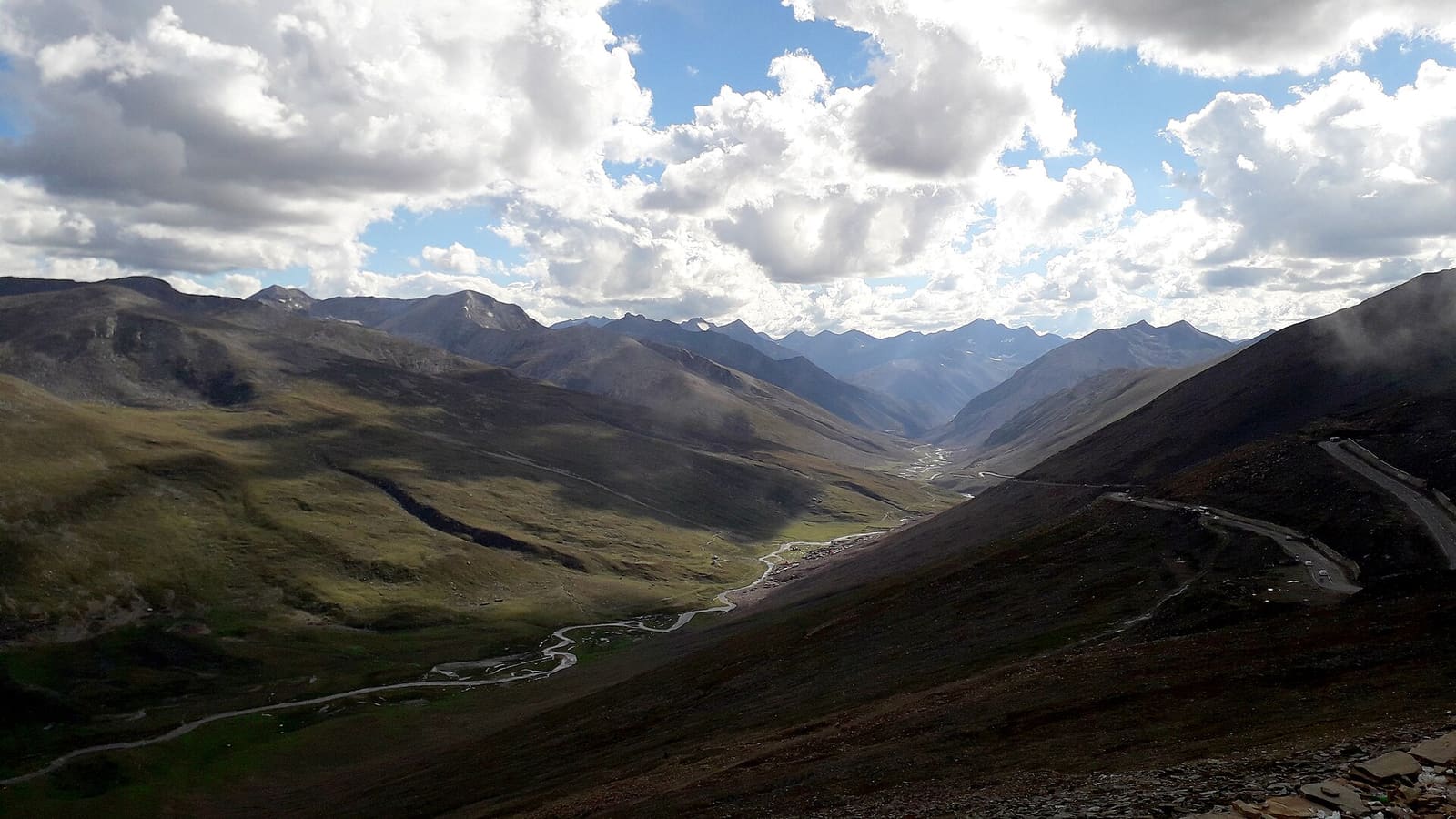
In summer, many travellers skip the Besham to Chilas stretch by going through the Kaghan Valley instead. The route runs from Islamabad via Mansehra and Balakot to Naran, over Babusar Pass at more than 4,000 metres, and down to the KKH at Chilas.
It is often quicker, and the scenery is spectacular, with Lulusar Lake and the views from Babusar Top. Many families make Naran their first night, then cross Babusar and continue to Gilgit on day two.
The catch is the season. Babusar Pass is usually open for a few months each summer, in most years from June or July to around October, and opening dates depend on snow clearance. Check before you commit, and expect cold and possible rain at the top even in July. Our Naran Kaghan family trip plan covers that valley in more detail.
Fuel, cash and signal
A short checklist before you leave Islamabad:
- Fuel: fill up in Mansehra or Besham, and top up whenever you pass a working pump in Kohistan. Chilas and Gilgit both have fuel. Never let the tank fall below half on this road.
- Cash: ATMs are reliable in Islamabad, Abbottabad, Mansehra and Gilgit, and available in Besham and Chilas, though they can run out or go offline. Carry enough cash for two or three days, and draw more in Gilgit before Hunza.
- Signal: mobile coverage drops in long stretches of the gorge. Download offline maps and tell someone your plan for the day.
- ID: keep CNICs or passports for everyone in the car within reach. There are regular checkpoints.
- Spare tyre and basic tools, checked before you go. Help can be a long way off.
Landslides and road closures
Landslides on the KKH are a fact of life, not a crisis. They are most common in the monsoon, roughly July to August, when rain falls further south, and during spring snowmelt. Most are cleared within hours, though a big one can close the road for a day or longer.
If you reach a blockage, wait with everyone else, follow instructions from the road crews and police, and do not try to cross loose debris on foot or in the car. Ask drivers coming the other way what lies ahead; they will know more than any app.
Construction around the dam projects near Dasu and on the Chilas stretch can mean rough surfaces and occasional timed closures. If you hear of one, plan your day around it rather than racing to make a window.
Driving tips for the KKH
- Drive by daylight only. Mountain roads at night, with trucks and unlit edges, are where most problems happen.
- Give way to loaded trucks and coaches on narrow sections. Use your horn before blind bends.
- Take a break every two hours. The road is tiring even when it looks easy.
- Hire an experienced local driver if you have not driven mountain roads before. Many families do the drive this way, and it lets everyone enjoy the views.
- Go slowly through villages, where children and livestock use the road too.
Foreign travellers are sometimes asked to register at checkpoints on parts of the route. Check your own government's travel advice before you go, and follow local instructions on the day.
When you reach Hunza, hotels in Hunza are spread across Karimabad, Altit, Aliabad and Gulmit. If you are still choosing dates, our guide to the best time to visit Hunza goes month by month.
Frequently asked questions
How long does it take to drive from Islamabad to Hunza?
Allow roughly 16 to 21 hours of driving in total: about 14 to 18 hours to Gilgit and 2 to 3 hours more to Karimabad. Most people split it over two or three days, with overnight stops in Besham, Chilas or Gilgit.
Is the Karakoram Highway open all year?
The Karakoram Highway generally stays open through the year, though landslides, snow and construction can close sections for hours or sometimes days. Babusar Pass, the summer shortcut, is only open for a few months, in most years from June or July to around October.
Is it better to go via Babusar or via Besham?
In summer, when the pass is open, the Naran and Babusar route is often quicker and more scenic. Outside that window, or if you prefer a lower road with more services, go via Besham and Chilas on the KKH.
Where should I stop overnight between Islamabad and Gilgit?
Besham is the easiest first stop for a relaxed start. Chilas works if you want to cover more ground on day one. Either way, Gilgit makes a comfortable second night before the short drive into Hunza.
Is it safe to drive the Karakoram Highway?
Large numbers of Pakistani families drive the KKH every summer. The main risks are road conditions, landslides and tiredness, so drive by daylight, take breaks and keep a spare day. Foreign travellers should check their government's current travel advice.