For northern Pakistan, pack layers rather than one heavy coat, because a single day can run from warm valley sunshine to near freezing at a lake or pass. Whatever the month, bring a warm fleece or down jacket, proper walking shoes, a basic medicine kit, a power bank, enough cash for places without ATMs, and your original CNIC or passport with copies. The rest depends on the season and how high you are going, which is what this list covers.
It is a common sight: a family arrives at Babusar Top in July in kurta shalwar and chappals, then spends twenty minutes shivering in the car. Just as common are suitcases full of winter coats hauled to Hunza in May and never opened. The trick is knowing what each month actually feels like up there.
How the north changes with the seasons
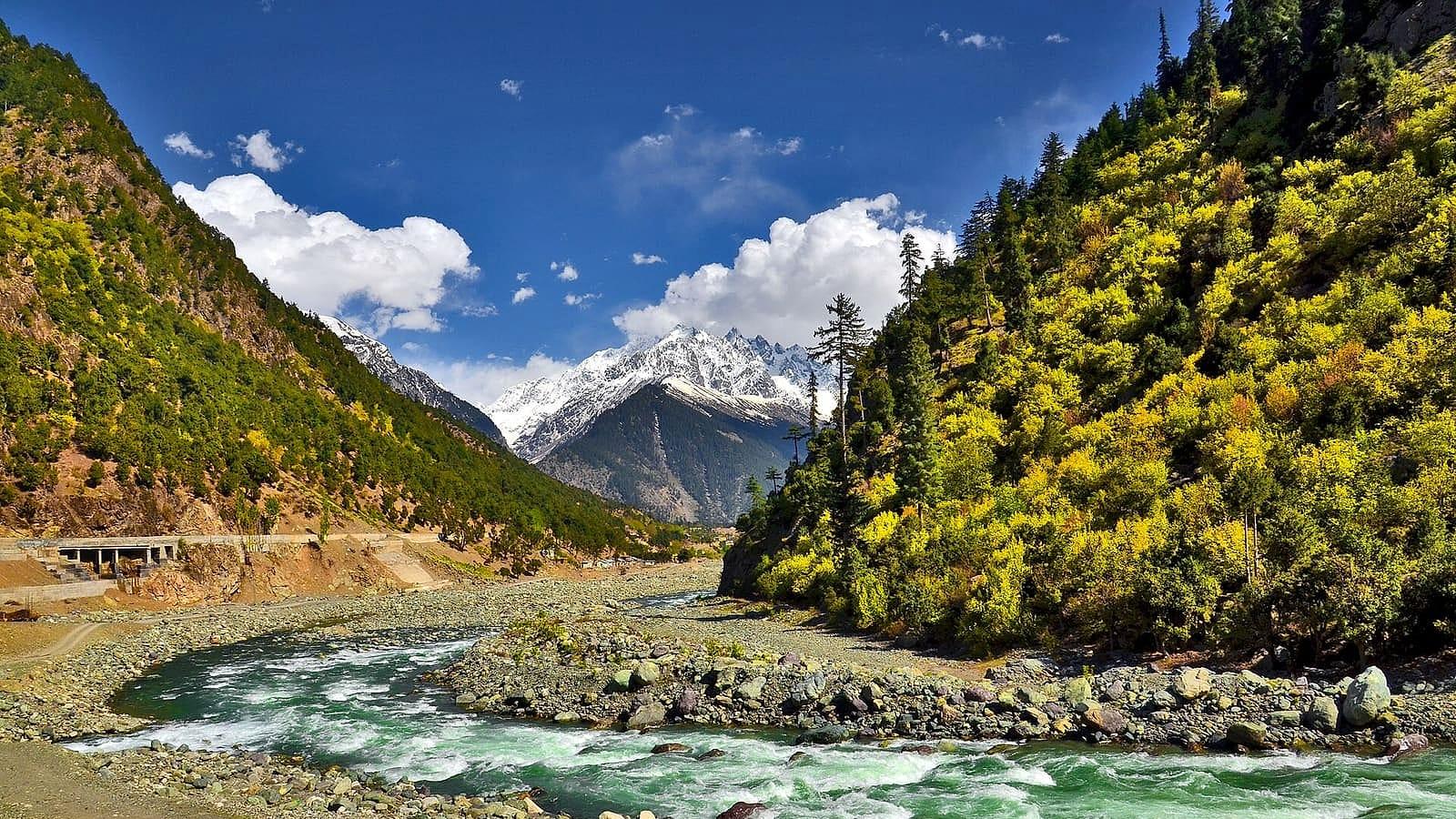
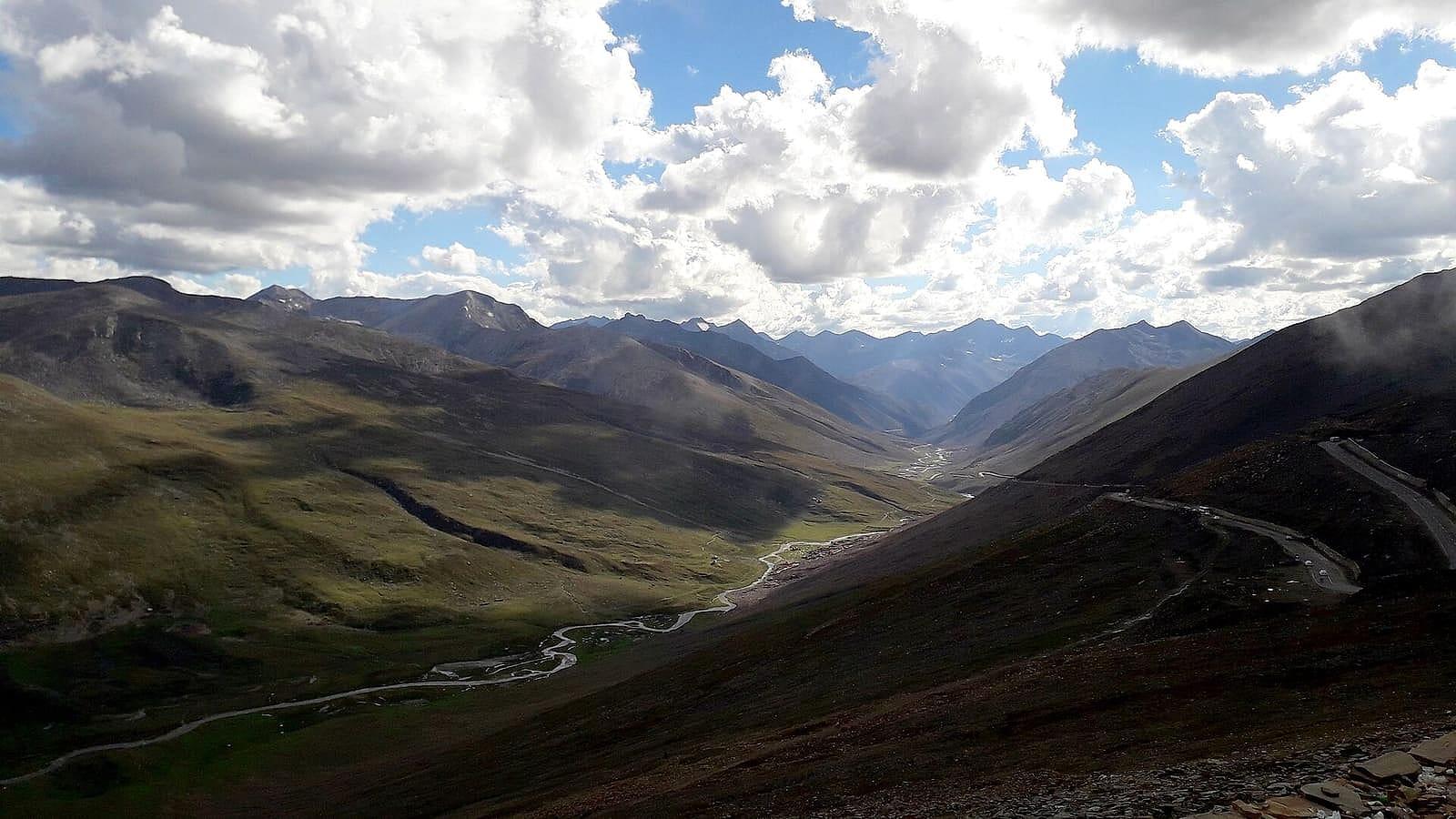
Height matters more than the calendar. Gilgit and the Swat valley floor can be properly hot in June, while Khunjerab, Deosai and Babusar are cold enough for a jacket on the same day. A useful rule: for every 1,000 metres you climb, expect it to feel several degrees colder, and wind on a pass makes it feel colder still.
Here is a quick guide to what to expect, so you can pack for the coldest place on your route, not the warmest.
| Season | Months | Valley days | Nights and high places | Pack around |
|---|---|---|---|---|
| Spring | March to May | Mild to warm, often wet | Cold, with snow still on passes | Rain shell, fleece, waterproof shoes |
| Summer | June to August | Warm, hot in Gilgit and lower Swat | Cool to cold at lakes and passes | Light layers plus one warm jacket |
| Autumn | September to November | Crisp and clear | Cold, near or below freezing by November | Down jacket, thermals, gloves |
| Winter | December to February | Cold, short days | Well below freezing, heavy snow | Full winter kit, snow boots, thermals |
If you are still deciding when to go, our guide to the best time to visit Hunza goes month by month.
Clothes for each season
The aim is three layers you can add or remove: something light next to the skin, something warm in the middle, and something windproof on top. Women travelling in the north usually find a long kameez or tunic with a warm shawl both practical and comfortable in conservative villages, and a large shawl doubles as an extra blanket on cold nights.
Summer (June to August)
- Cotton or quick-dry shirts and trousers for the valleys
- One fleece and one light down or padded jacket for lakes, passes and evenings
- A warm cap, because Saif-ul-Malook and Deosai get cold the moment the sun goes behind a cloud
- Sunglasses, a wide hat and strong sunscreen: the sun at altitude burns faster than in Lahore or Karachi
- A light rain jacket for monsoon showers on the Kaghan and Swat side
Autumn (September to November)
- Thermal top and bottom, especially from late October
- A proper down jacket, gloves and a warm cap
- Warm socks, two or three pairs
- A scarf or buff for wind on the Karakoram Highway viewpoints
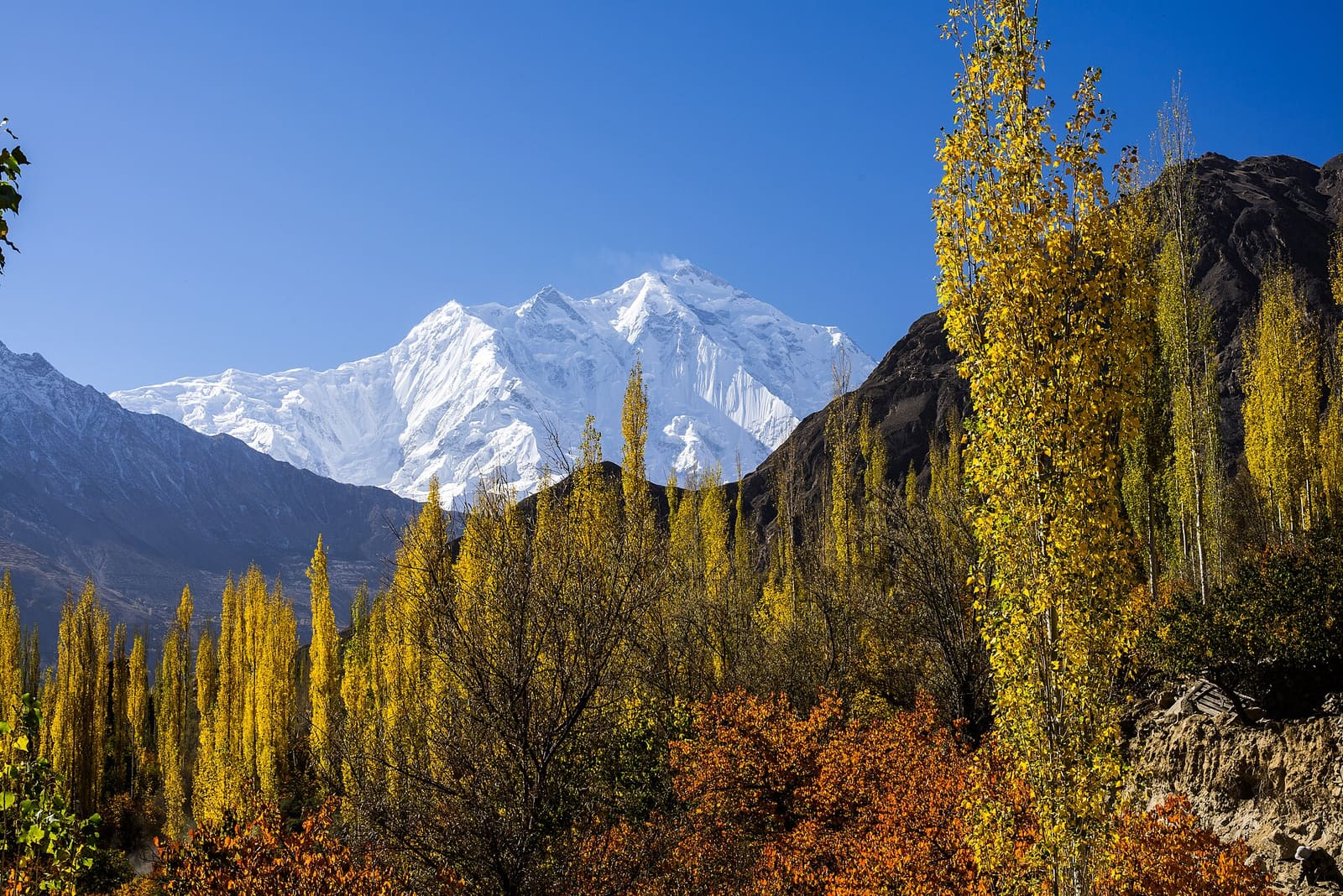
Autumn is many travellers' favourite time in Hunza and Skardu, but evenings drop sharply. Many guest houses heat only the main rooms, so warm sleepwear matters.
Winter (December to February)
- Heavy down jacket or a long padded coat
- Two sets of thermals
- Waterproof gloves and a spare pair of woollen ones
- Snow boots or waterproof hiking boots with good grip
- A hot water bottle, which costs little and saves many cold nights
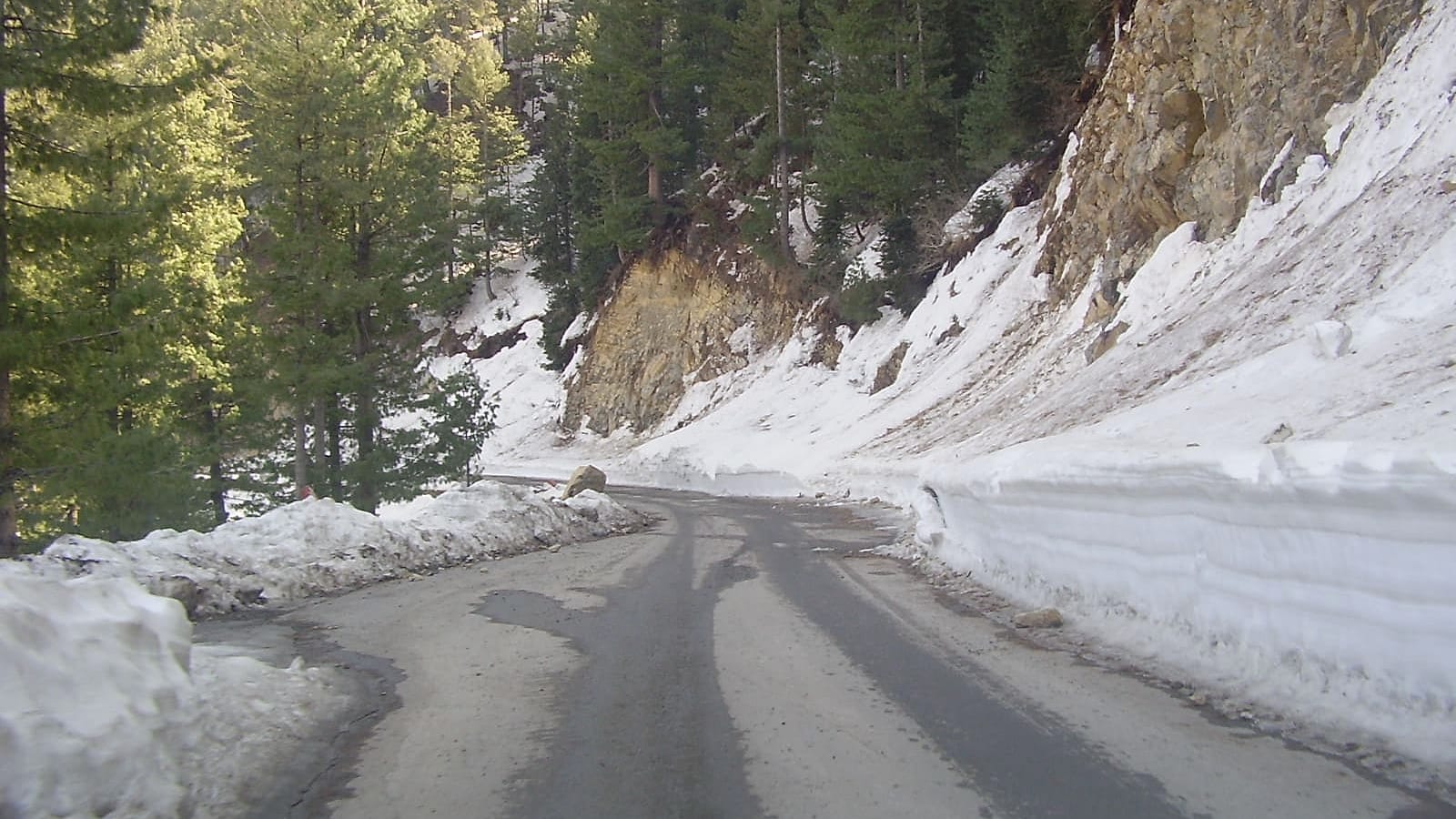
In winter, Naran and the upper Kaghan Valley largely close, and the trips people actually take are to Murree, Nathia Gali, Malam Jabba, Kalam and, for the hardy, Hunza and Skardu. For Murree in particular, plan around the snowfall weekends, when traffic up the hill can stop for hours.
Spring (March to May)
Spring is the most unpredictable season. Pack as for autumn, add a waterproof shell and waterproof shoes, and expect mud on village paths. Cherry and apricot blossom in Hunza is lovely, but late snow on the passes is common.
Footwear that works on mountain paths
You need one pair of shoes with real grip and ankle support for walks like the Ultar trail above Karimabad, the path to Saif-ul-Malook or the meadows around Kalam. Trainers with smooth soles are fine in the bazaar and risky on loose stones and wet grass.
A good set for most trips:
- Walking shoes or light hiking boots, worn in before the trip
- Sandals or slides for the hotel and for long drives
- Snow boots in winter, or at least waterproof boots with deep tread
- Thick socks, more pairs than you think, because they rarely dry overnight in cold rooms
For children, waterproof shoes matter more than for adults. A child with wet feet at a cold lake will want to go back to the jeep within ten minutes.
Medicines and altitude
Most popular places in the north are at heights where healthy adults feel fine, but Khunjerab, Deosai and some high passes are high enough that headaches, breathlessness and poor sleep are common. Climb gradually where you can, drink plenty of water, go easy on heavy meals on the first day, and come down if someone feels genuinely unwell. Talk to your doctor before the trip if anyone in your group has heart or lung problems, is pregnant, or is very young or elderly, and ask them about altitude medicine rather than buying it on a friend's advice.
A basic medicine kit
- Paracetamol or your usual painkiller
- Motion sickness tablets for winding roads, especially for children
- Oral rehydration salts
- Something for an upset stomach, as advised by your pharmacist
- Antihistamines for allergies and insect bites
- Plasters, antiseptic cream, crepe bandage
- Lip balm and a thick moisturiser, since the air is dry
- Enough of any regular prescription medicine for the whole trip plus a few extra days, in case a road closes
Pharmacies exist in Gilgit, Skardu, Aliabad, Mingora and other main towns, but stock varies and smaller valleys may have nothing at all.
Power banks, load shedding and charging
Load shedding is a fact of life in much of the north, especially in winter when hydropower drops and some areas get electricity for only part of the day. Many guest houses run generators or solar in the evenings, but not all night. Ask the property before you book, and when you compare guest houses in Skardu or hotels in Karimabad, look for generator or solar backup in the amenities.
- One large power bank per person, fully charged before every long drive
- A car charger with two ports
- A short extension lead or multi-plug, because rooms often have one socket
- A headlamp or small torch for power cuts and late arrivals
- Offline maps downloaded before you leave the main towns
Mobile coverage is patchy on long stretches of the Karakoram Highway, the Kaghan road above Naran and the Skardu road. Tell family your route and expected arrival time.
Cash, documents and copies
ATMs work in Gilgit, Skardu, Aliabad, Mingora and other larger towns, though they sometimes run out of cash during Eid rush and long weekends. In smaller villages, jeep drivers, boat operators and many small guest houses expect cash. Carry enough for a few days and keep it in two separate places.
Documents to keep in a waterproof pouch:
- Original CNIC for every adult; NICOP for overseas Pakistanis
- B-form or a juvenile card for children if you have one
- Passport with visa for foreign travellers, plus a few paper copies
- Photos of every document saved offline on your phone and sent to a family member
- Vehicle registration papers and your driving licence if you are driving
There are police and army checkposts on the main northern routes, and hotels usually register guests, so keep ID where you can reach it without unpacking. For what to expect at the front desk, read our guide to hotel check-in rules in Pakistan.
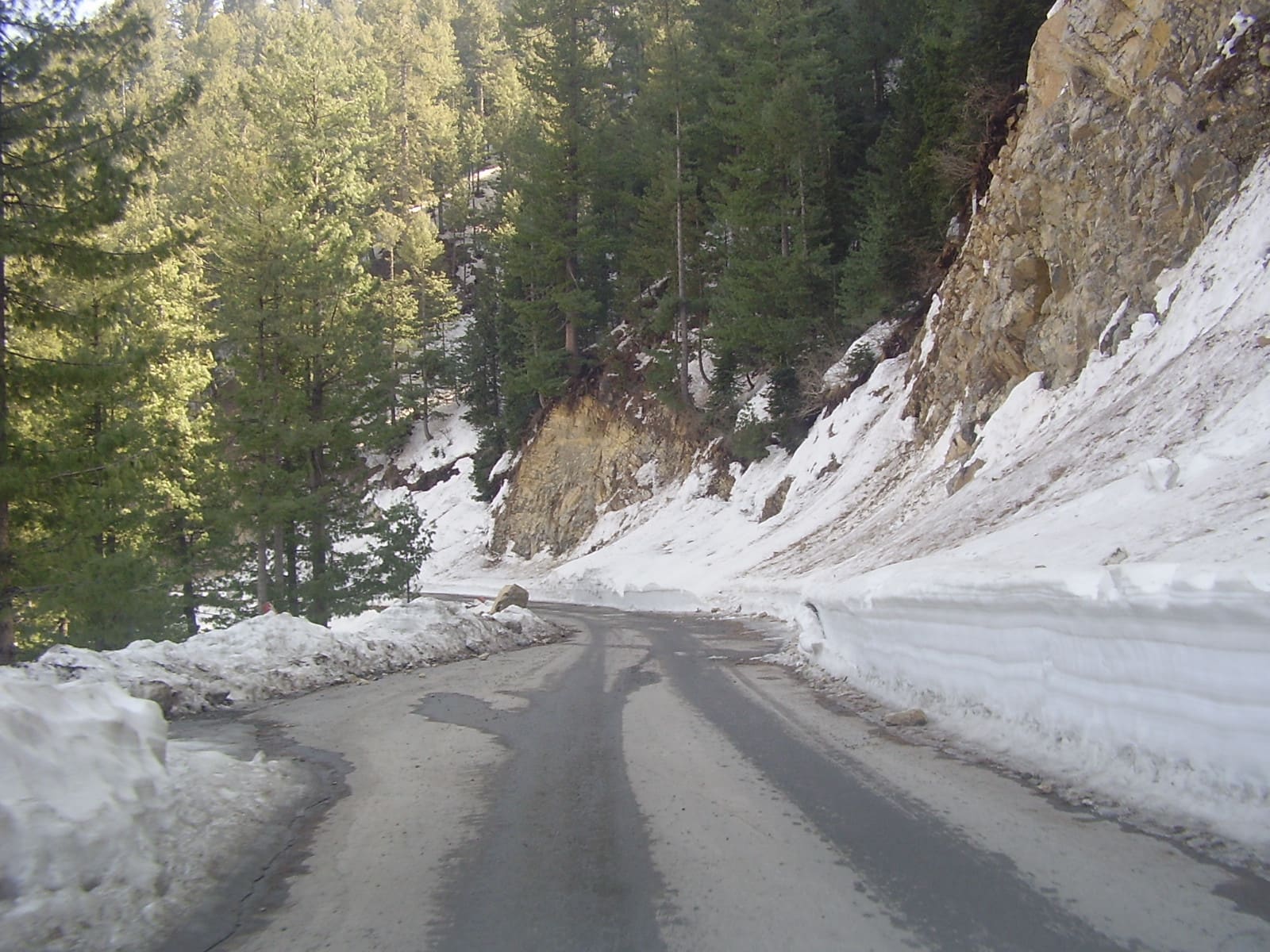
Car kit for mountain roads
In your own car or a hired one with a driver, mountain roads punish poor preparation. Landslides, slow trucks and long queues at narrow sections can add hours. Pack the car as if you might spend an unplanned night on the road.
Car checklist
- Spare tyre checked, with jack and wheel spanner
- Tow rope and jump leads
- Tyre chains in winter, and practise fitting them before you need to
- Brake check before the trip, because long descents are hard on brakes
- Full tank before each long stretch; fuel stations thin out in the high valleys
- Drinking water, several litres
- Dry snacks, dates and biscuits
- Blankets, one per person
- Rubbish bags, so nothing gets left at the lake
- First aid kit and a torch
Smaller saloon cars manage the main roads to Naran, Hunza and Swat in good weather, but jeep tracks to places like Fairy Meadows, Lalazar or Deosai usually need a hired local jeep. For route-specific advice, see our Karakoram Highway road trip guide.
Packing for children
Children feel cold faster than adults and are less likely to say so until they are miserable. Pack one more warm layer for each child than you think you need.
- Warm hat and mittens, even in summer
- A spare set of clothes in the car, not buried in the boot
- Motion sickness remedies and sick bags for winding roads
- Snacks they actually like, since roadside options are limited
- Wet wipes, tissues and hand sanitiser
- A small toy, book or downloaded videos for long drives
- A thermos for warm milk or tea at cold stops
Plan shorter driving days with children: four to six hours is plenty. Our Naran Kaghan family trip plan shows how to pace a valley trip with kids.
The complete checklist
- Light layers, a fleece and a warm jacket (plus thermals in autumn and winter)
- Warm cap, gloves, warm socks
- Rain jacket and waterproof shoes
- Sunglasses, sunscreen, lip balm
- Walking shoes worn in, plus sandals
- Medicine kit and regular prescriptions
- Power bank, car charger, multi-plug, torch
- Cash in two places
- CNIC, passport or B-form, plus copies
- Car kit if driving
- Children's extras
Frequently asked questions
Do I need a winter jacket in northern Pakistan in summer?
Yes, at least one warm jacket. Valley floors can be hot, but lakes like Saif-ul-Malook, passes like Babusar and Khunjerab, and the Deosai Plains are cold, windy and sometimes snowy even in July.
Are there ATMs in Hunza and Skardu?
There are ATMs in Aliabad, Karimabad and Skardu town, as well as Gilgit, but they can run out of cash at busy times or go offline during power cuts. Carry enough cash for several days, especially for jeeps and small guest houses.
What documents do I need to travel to northern Pakistan?
Pakistani adults should carry their original CNIC, and overseas Pakistanis their NICOP or passport. Foreigners need a passport with a valid visa. Carry paper copies and phone photos too, because you may be asked for ID at checkposts and hotels.
How do I deal with load shedding in northern hotels?
Bring a power bank per person, a torch and a multi-plug, and ask the hotel before booking whether it has a generator, UPS or solar backup and for which hours. Charge everything whenever the power is on.
What should I pack for children on a northern Pakistan trip?
Extra warm layers, waterproof shoes, a warm hat even in summer, motion sickness remedies, familiar snacks and a change of clothes kept in the car. Short driving days help as much as anything you pack.